Physical AI & Real-World Human Work

Real-World Data for Tasks, Tools, and Physical Environments

Physical AI systems need more than generic video. We design managed data programs around real human tasks, hand-object interaction, tool use, deformable materials, operational environments, and region-specific workflows.

Programs can be configured for first-person, third-person, video, audio, IMU, sensor metadata, Human GT, and project-defined quality requirements across South Korea, Bangladesh, and additional feasible locations.

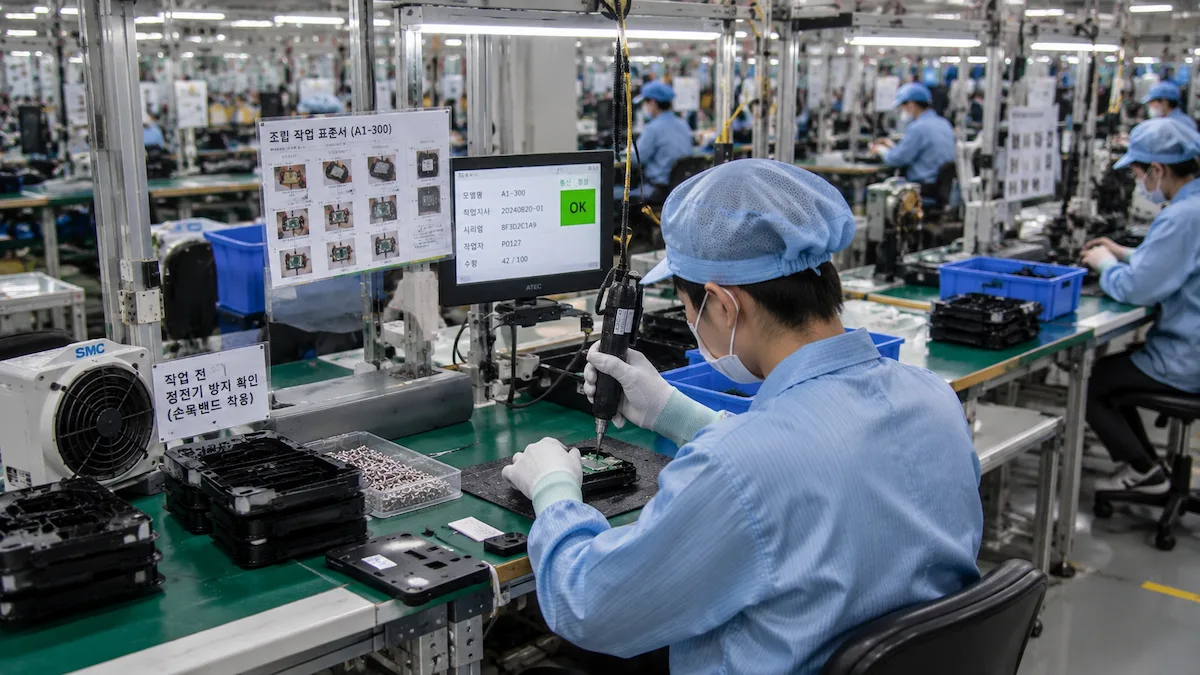
Electronics factory environment for Physical AI robotics and real-world industrial data collection

Two Ways to Begin

Start with a Focused Pilot or Build Around a Defined Model Gap

Some programs begin by evaluating a representative capture. Others start with a customer-defined task, environment, viewpoint, sensor configuration, or failure case that requires new field production.

01

Focused Evaluation

Validate the Capture Approach

Begin with a representative workflow or scoped pilot to validate viewpoint, task visibility, sensor behavior, metadata structure, and acceptance criteria before scaling production.

  • Review task and environment feasibility
  • Validate capture and metadata requirements
  • Establish QC and recollection rules
Review Our Production Approach →

Physical AI Collection Scenarios

Real Human Workflows for Robotics and Physical AI

These examples illustrate task-centered programs we can design. Final environments, actions, viewpoints, sensors, participant profiles, repetition rules, and acceptance criteria are defined for each project.

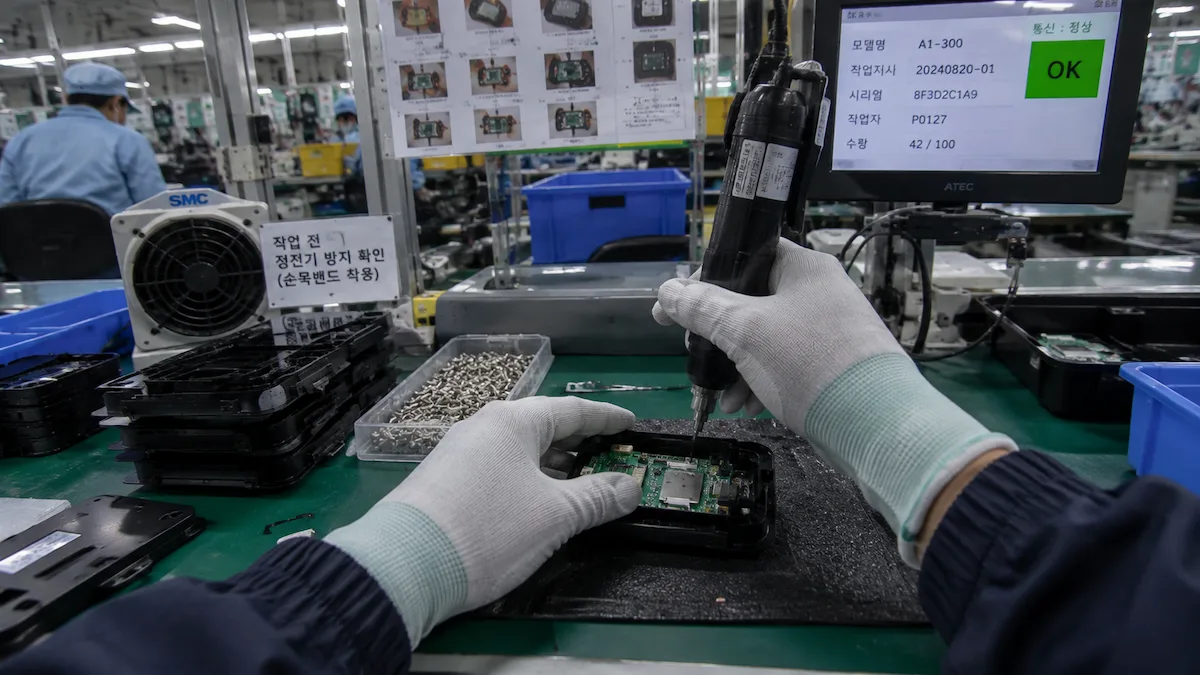
Egocentric first-person electronics assembly data for Physical AI robotics and precision manipulation
Precision Manipulation

Precision Electronics Assembly

Fine hand-object interaction, component placement, connector handling, inspection, fastening, and repeatable assembly actions for manipulation learning.

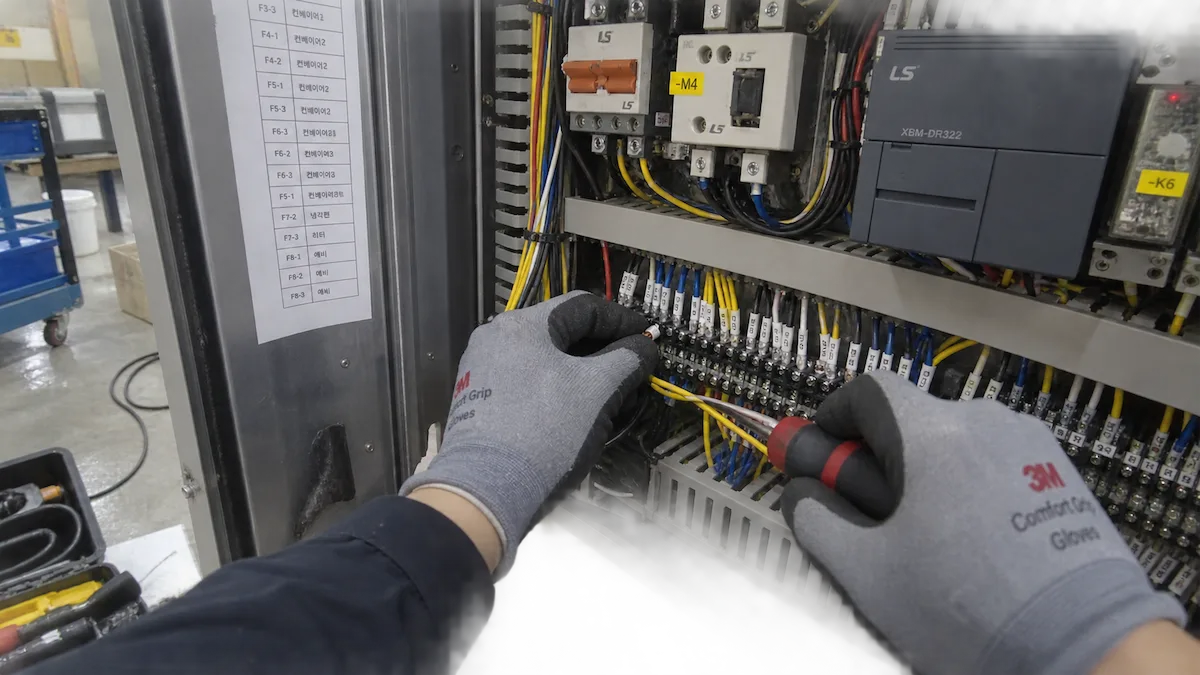
Egocentric electrical panel work with tools cables and skilled industrial manipulation for robotics training data
Skilled Tool Use

Electrical Panel & Tool Work

Tool selection, cable routing, terminal interaction, fastening, inspection, and coordinated two-handed actions in skilled industrial workflows.

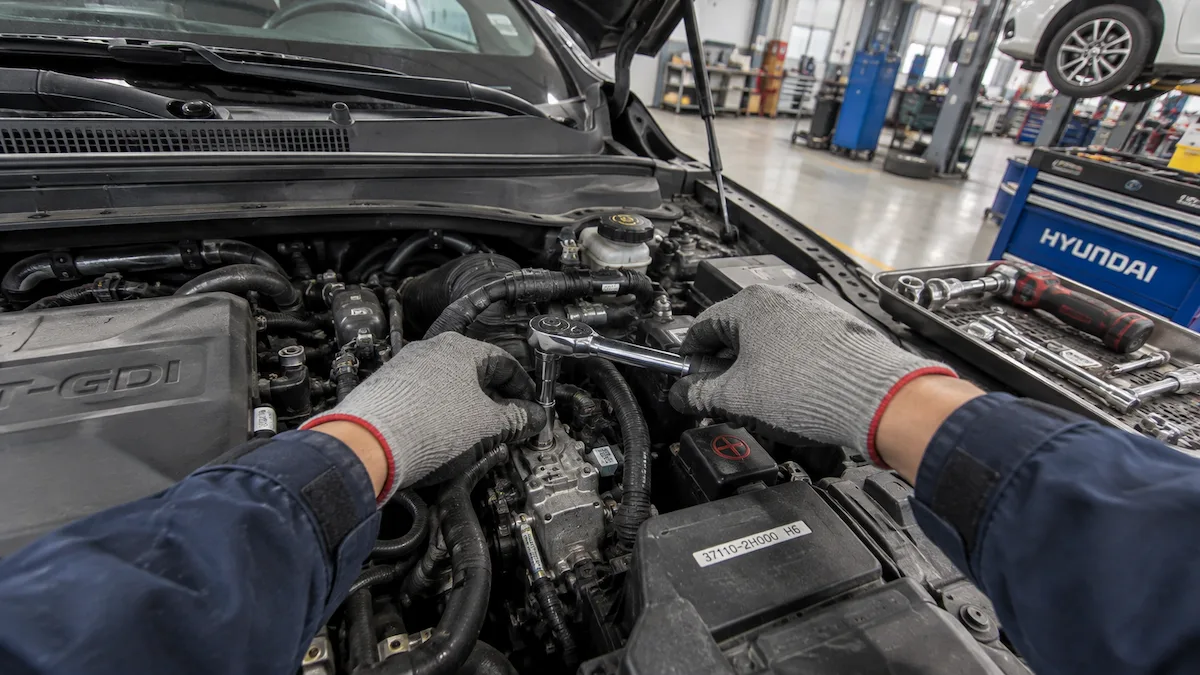
Egocentric automotive maintenance and mechanic tool-use data for Physical AI and robotics
Maintenance & Tools

Automotive Maintenance & Repair

Inspection, disassembly, fastening, part handling, tool use, and sequential maintenance tasks in real service and workshop environments.

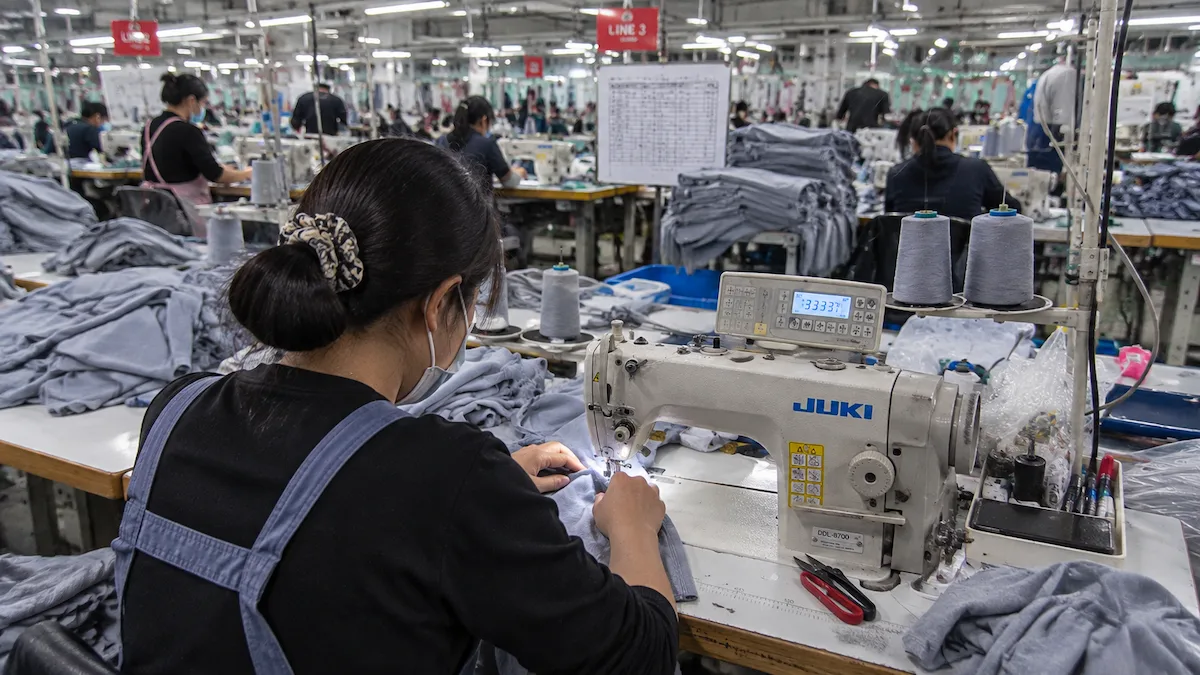
Industrial garment production and deformable material handling data for robotics and Physical AI
Deformable Materials

Garment & Textile Handling

Folding, positioning, alignment, fabric manipulation, machine-assisted work, and other deformable-material interactions difficult to represent with rigid objects.

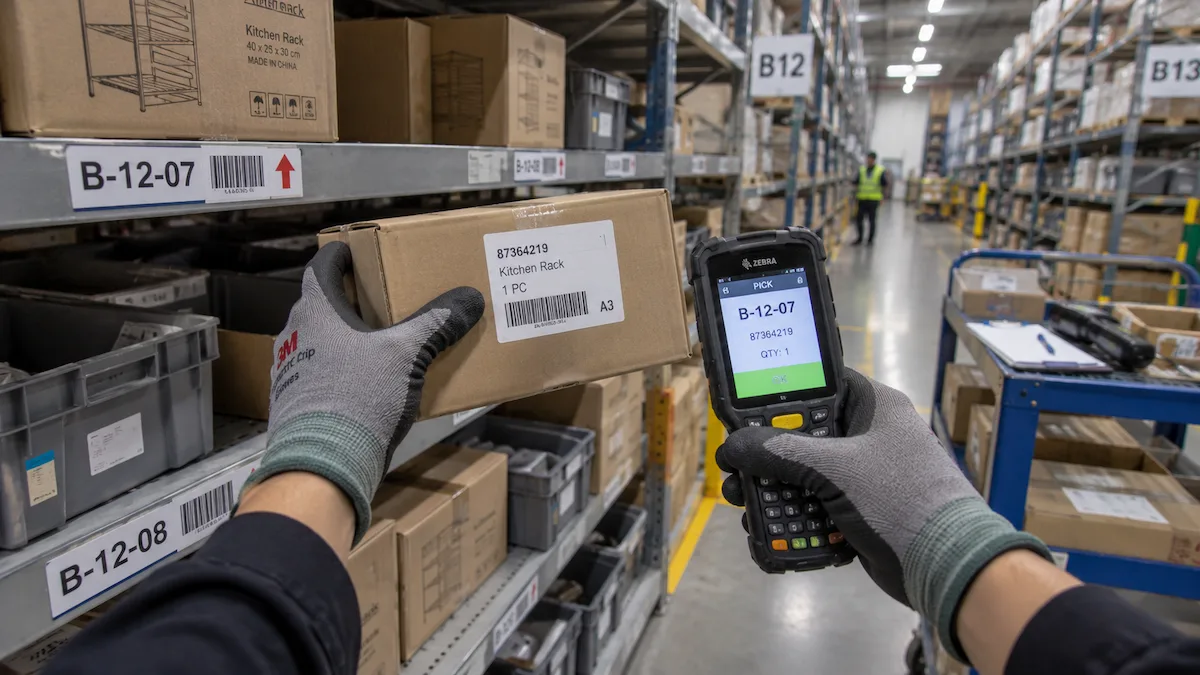
Egocentric warehouse picking barcode scanning and logistics workflow data for robotics and Physical AI
Logistics

Warehouse Picking & Logistics

Search, reach, grasp, pick, scan, place, sort, transport, and inventory interactions across structured and semi-structured logistics workflows.

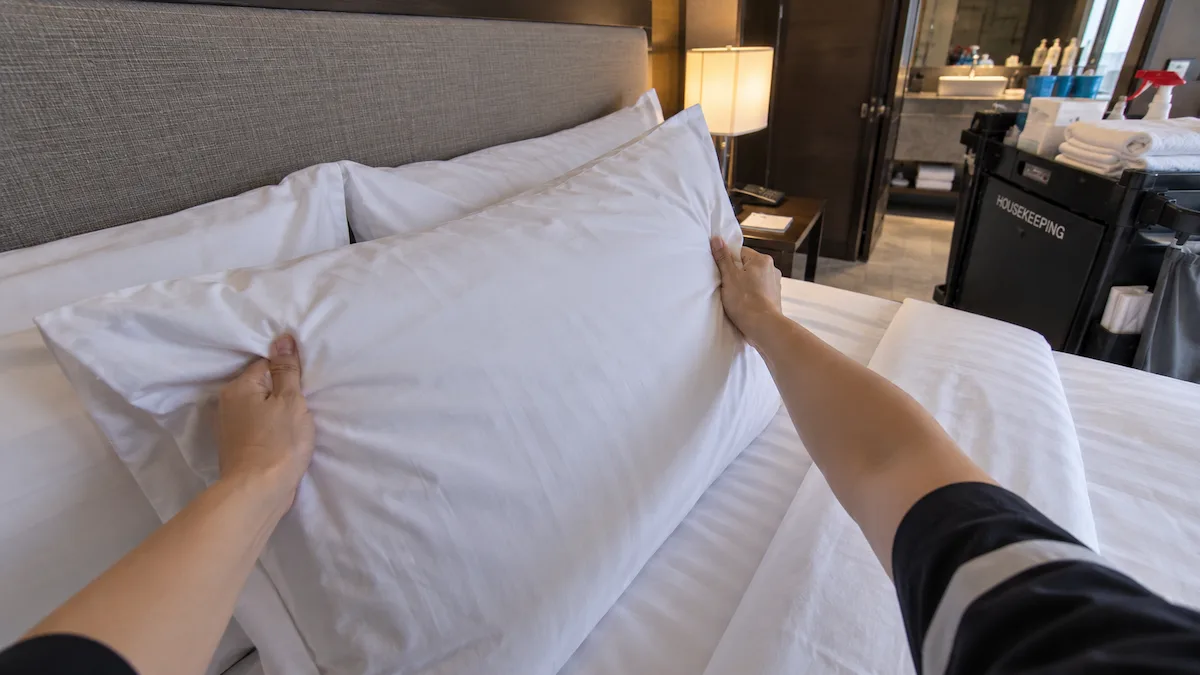
Egocentric housekeeping bed and pillow arrangement data for service robotics and Physical AI
Service & Household

Housekeeping & Service Tasks

Bedding arrangement, object placement, cleaning, room organization, surface interaction, and other multi-step service and household activities.

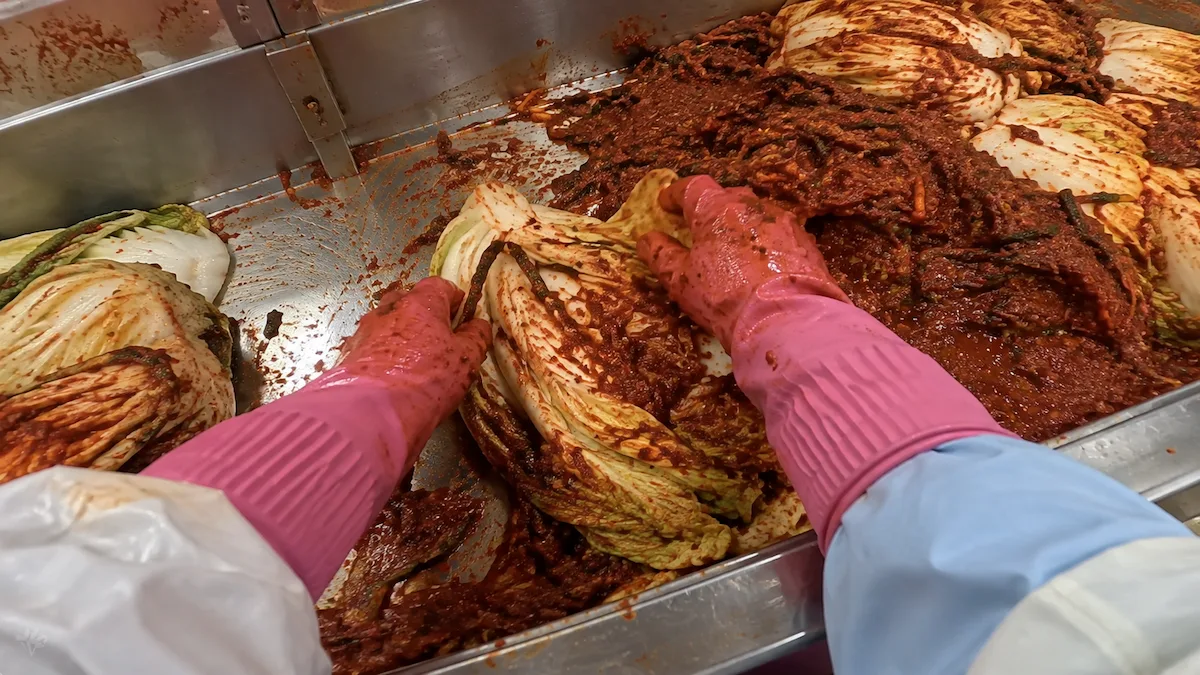
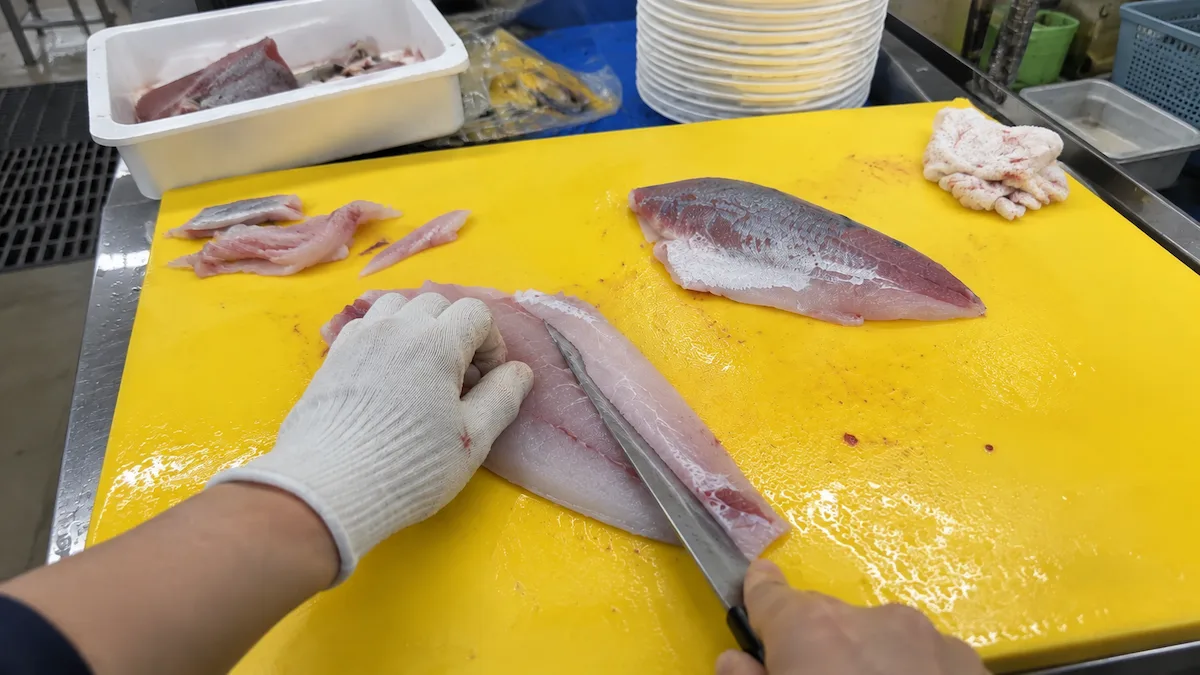
Egocentric Korean kimchi production and food preparation data for Physical AI Egocentric seafood processing and skilled food preparation data from South Korea for robotics training
South Korea · Regional Workflows

Korea-Specific Food & Skilled Workflows

Region-specific food production and skilled hand workflows such as kimchi preparation, seafood processing, ingredient handling, cutting, sorting, mixing, and other culturally distinctive tasks that are difficult to source globally.

Existing Real-World Capability

Mobility & Long-Tail Environments

Real-world mobility remains available for projects requiring mixed traffic, pedestrian interaction, weakly structured road behavior, low-light conditions, and difficult perception cases. It is one capability within a broader real-world production model.

Review Mobility Capability →

Related Data Capabilities: Physical AI Data Collection · Robotics Training Data · Egocentric Human Demonstration · Multimodal Sensor Data · South Korea Data Collection

Program Definition

How We Define a Physical AI Data Program

A custom collection program begins with the model problem, not a predefined dataset package. We translate your evaluation gap into a feasible field operation, delivery structure, and quality plan.

01

Define the Model Gap

Share the environment, failure scenario, model behavior, or coverage limitation your team needs to investigate.

02

Translate It into Field Conditions

We define the task, environment, participant profile, viewpoint, capture platform, sensors, metadata, annotation, and operational constraints.

03

Build a Feasible Starting Scope

Begin with a scoped evaluation, calibration capture, or feasibility pilot before expanding into recurring production.

Let's Start with Your Requirements

Every Real-World Data Program Starts with a Conversation

Tell us the model task, target workflow, environment, viewpoint, or failure case you need to address. We translate it into a feasible capture, validation, and delivery program.

Discuss Your Data Requirements →

Feasibility review, pilot design, capture planning, QC definition, and scalable field production available.