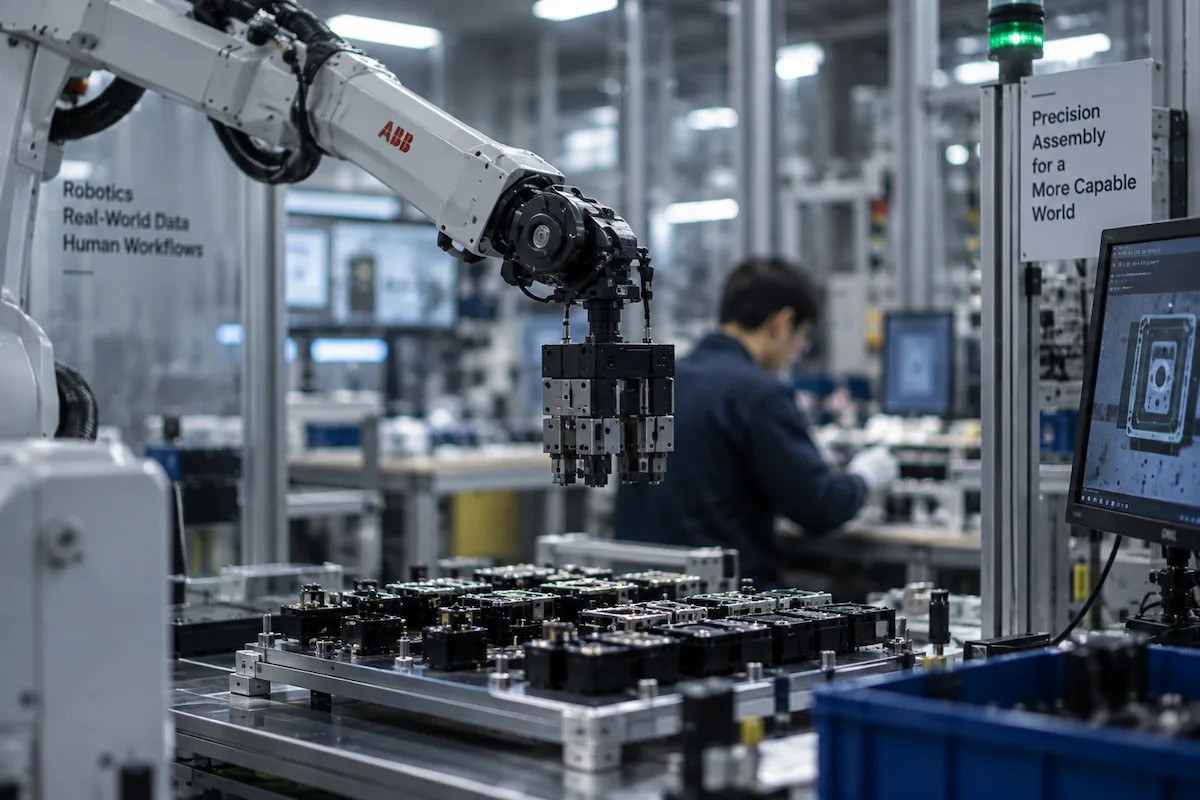
Robotics and embodied-system data collection.
Origin Data Lab designs real-world robotics training data programs around manipulation tasks, human demonstrations, operational environments, multimodal sensing, metadata, and project-defined quality criteria.
Training data can capture human task execution, hand-object interaction, environmental context, sequential workflows, perception challenges, and project-specific sensor signals.
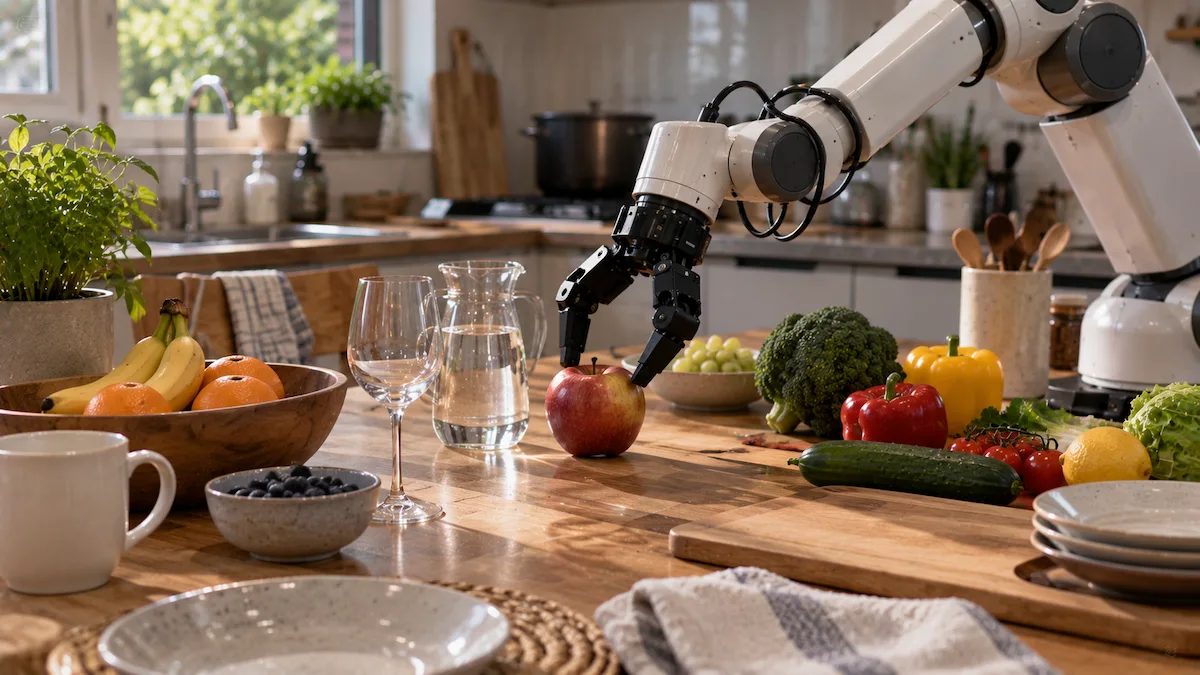
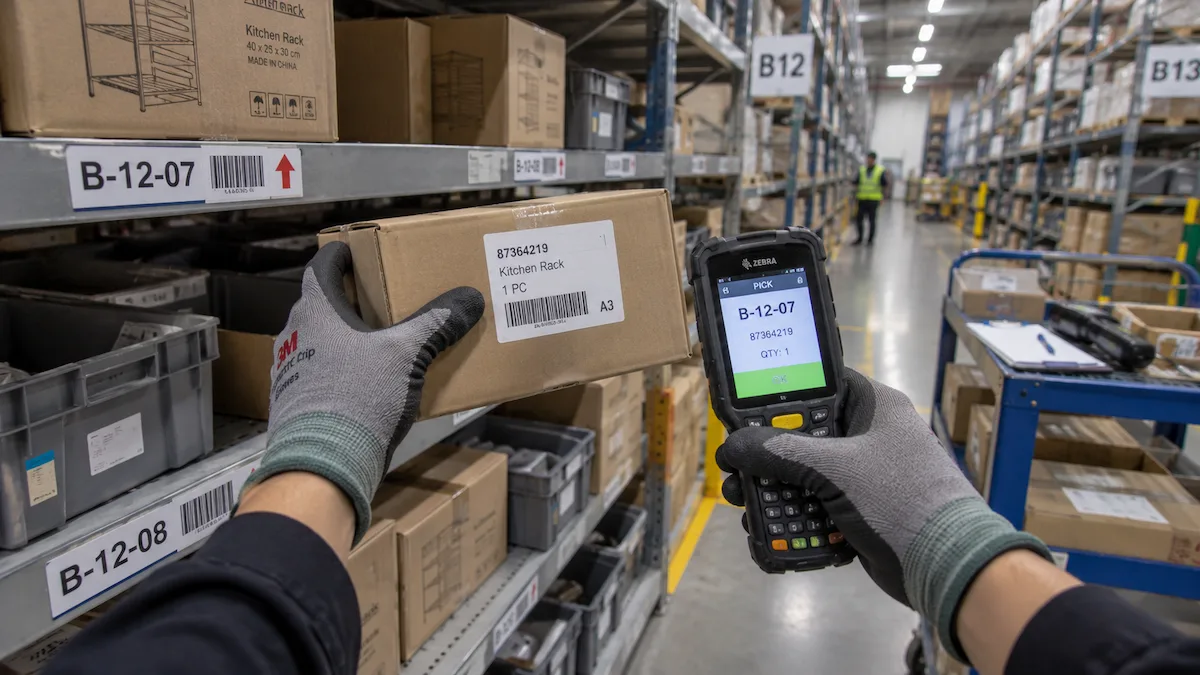
A useful robotics dataset is more than media files. Task definitions, sensor context, timestamps, metadata, quality checks, exception records, and delivery structure matter downstream.
Capture real task execution, manipulation, tool use, bimanual work, and sequential human workflows for imitation and embodied learning.
Preserve object handling, contact-rich actions, deformable materials, tool interaction, and task transitions.
Collect visual and environmental variation across operational spaces, objects, lighting, clutter, and real-world edge conditions.
Each project is scoped around the target task, capture architecture, metadata, validation criteria, quality requirements, and downstream integration needs.
Configure egocentric, third-person, stereo, wearable, RGB-D, spatial, or robotics-linked capture according to the project.
Validate task feasibility, sensor integrity, operator instructions, metadata, and acceptance rules before scale.
Package media, sensor signals, structured metadata, manifests, schemas, QA records, and documentation for downstream teams.
Programs can include human demonstrations, manipulation tasks, egocentric or third-person video, wearable sensing, IMU, stereo or multi-view capture, spatial or RGB-D data, and robotics-linked signals where supported by project hardware.
Yes. Programs can be scoped around task instructions, observations, human actions, manipulation context, environments, multimodal signals, metadata, and project-defined output schemas.
Yes. Pilot batches can validate task feasibility, capture configuration, metadata integrity, quality criteria, and delivery format before production scale.
Yes. Customer-provided cameras, wearable systems, robotics platforms, or other capture hardware can be evaluated and integrated when technically feasible.
Share the target task, environment, viewpoint, hardware, sensor requirements, metadata, and expected delivery format to begin a feasibility review.